Why Standard Veterinary Service Pages Fail to Rank
Most animal hospital websites feature a catch-all services menu with pages that span barely 200 words. These thin pages often state generic facts like ‘we provide pet dental cleanings’ without offering the contextual depth that modern search engines demand. Google’s quality guidelines and search engine updates prioritize user intent, E-E-A-T (Experience, Expertise, Authoritativeness, and Trustworthiness), and comprehensive answers.
When a pet owner searches for advanced diagnostics or routine wellness plans, search engines look for content that thoroughly explains the procedure, alleviates anxiety, and demonstrates professional competence. If your pages lack this depth, your competitors will capture those high-intent local search queries. Building robust veterinary SEO campaigns requires viewing every service page as a dedicated landing page designed to solve a specific client search query.
Aligning Content with Pet Owner Search Intent
Pet owners use search engines very differently depending on their urgency and emotional state. Someone looking up emergency pet surgery has immediate, high-stress intent, while someone researching canine physical rehabilitation is in a leisurely, exploratory phase. Your service content must match these unique behavioral patterns.
Transactional vs. Informational Intent on Service Pages
A well-crafted service page bridges the gap between transactional keywords (like ‘dog dentist near me’) and informational queries (like ‘what happens during a dog dental cleaning’). By incorporating clear explanations of the process, preparation steps, and post-procedure recovery, you satisfy the user’s underlying questions while signaling topical authority to crawlers.
This approach aligns closely with foundational frameworks we outline in our comprehensive veterinary content strategy framework, ensuring your entire site architecture supports local visibility without keyword cannibalization.
Core Elements Every Veterinary Service Page Needs
To perform well in competitive markets across the United States and Canada, your service pages must include several structural components. Leaving out even one of these elements can significantly reduce conversion rates and organic rankings.
- Clear Service Definition: Explain what the procedure is in plain English, avoiding dense medical jargon that confuses lay readers.
- Who Needs It: Specify which life stages, species, or symptom profiles require this particular service.
- The Step-by-Step Experience: Walk the client through what happens before, during, and after the visit to reduce anxiety.
- Technology and Equipment: Highlight advanced modalities, digital radiology, or specialized monitoring equipment used in your practice.
- Transparent Next Steps: Tell the user exactly how to book, whether a consultation is required first, and what records to bring.
Integrating Technical and Local Signals
Content does not exist in a vacuum. Even the most eloquently written service description will struggle to rank if technical site performance or local optimization lags behind. Search engines rely on structured data, fast loading speeds, and robust internal linking to understand context.
For instance, tying your service pages to your core practice locations through proper schema markup helps search engines connect your medical offerings to local map listings. To ensure your digital foundation supports your content efforts, partner with specialists who understand technical SEO for veterinarians, addressing everything from Core Web Vitals to XML sitemaps.
Furthermore, as artificial intelligence reshapes how pet owners discover local businesses through conversational search tools and AI-driven summaries, your content must be structured to answer direct questions clearly. We explore these modern search dynamics extensively when executing AI search optimization for veterinarians to future-proof hospital websites.
Maintaining Veterinary Safety and E-E-A-T
In the veterinary sector, credibility is paramount. Search engines actively scrutinize medical and health-related content under strict quality guidelines. Your service pages must never offer direct diagnostic advice or prescribe treatment protocols for an unseen animal. Instead, frame your content around client education and professional capabilities.
Highlight the credentials of your veterinary team, adherence to American Animal Hospital Association (AAHA) standards, or fear-free certifications right on the service page. This transparency builds instant trust with both human readers and search engine quality raters.
If you are unsure how your current service pages measure up against industry standards, our team provides a detailed SEO audit to identify hidden content gaps, technical bottlenecks, and missed keyword opportunities.
Ready to elevate your hospital’s digital presence and attract more qualified local clients? Contact us today to discuss a customized growth strategy for your practice.
Structuring FAQs and Overcoming Common Client Objections
Integrating a dedicated frequently asked questions section directly into your veterinary service content addresses lingering client hesitations while providing a powerful boost to organic visibility. Pet owners frequently type long-tail conversational questions into search engines, such as how much a specific procedure costs, whether their older pet is a safe candidate for anesthesia, or what kind of recovery time to expect at home. By anticipating these exact inquiries and answering them transparently on the page, you capture long-tail traffic that standard keyword targeting often misses.
When drafting these FAQs, avoid vague generalizations. Instead of stating that pricing varies, provide a helpful framework explaining what factors influence the final cost, such as pre-anesthetic bloodwork, weight-based medication dosages, or specialized post-operative care needs. This level of transparency not only builds trust before the client ever steps foot in your lobby but also filters out unqualified leads while pre-qualifying pet owners who value high standards of care. Furthermore, formatting these questions with appropriate schema markup allows search engines to display your answers directly in rich snippets, capturing valuable screen real estate on mobile search results pages.
Refining Visual and Interactive Content Elements
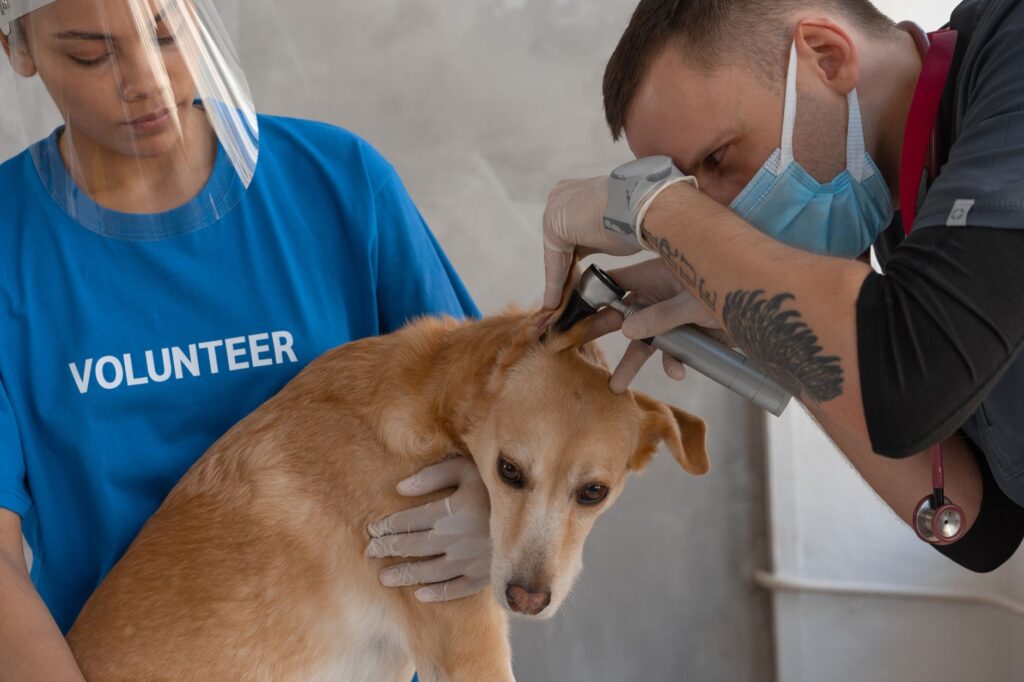
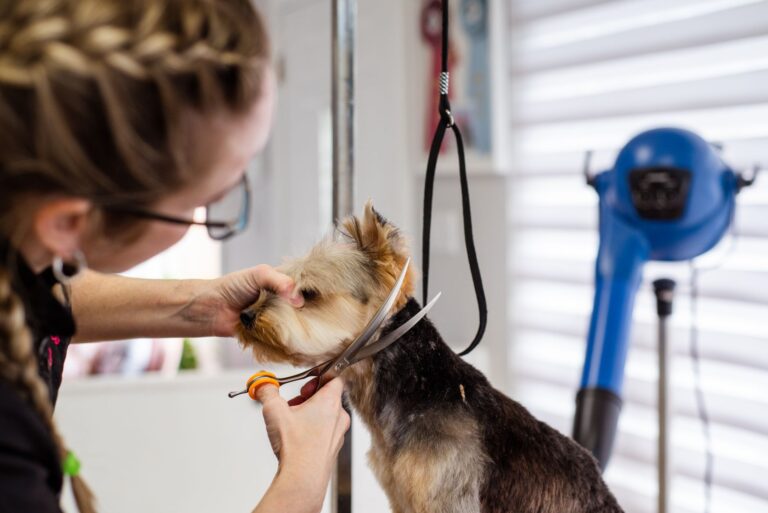
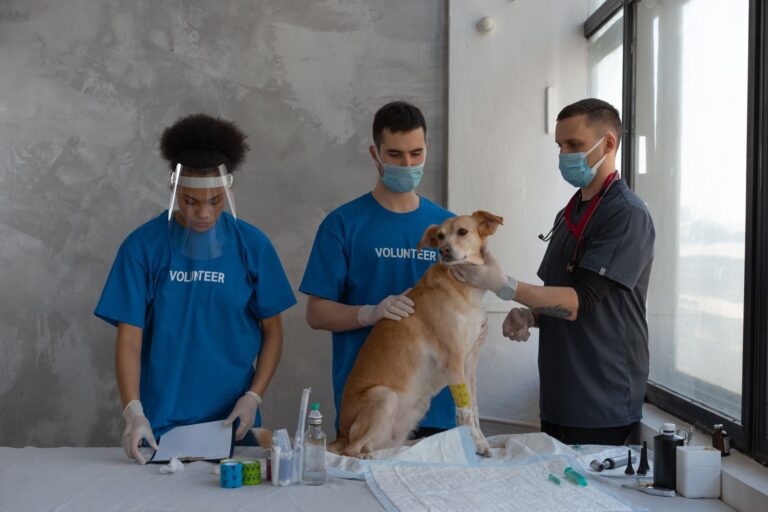
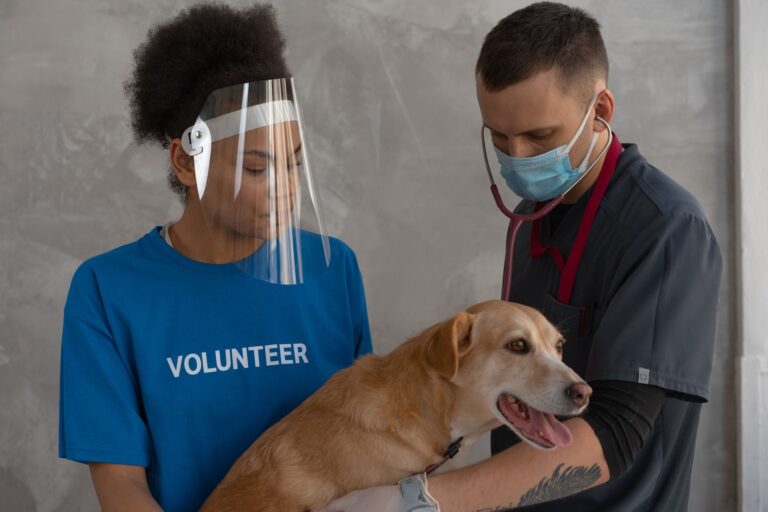
Text alone is rarely enough to fully explain complex medical treatments to an anxious pet owner. Enhancing your service pages with thoughtful visual assets—such as short, professionally produced video walkthroughs of your surgical suite, infographics outlining recovery timelines, or high-resolution photography of your actual veterinary care team—dramatically improves user engagement metrics. When visitors spend more time reading, watching, and interacting with your page, dwell time increases and bounce rates decrease, signaling positive user experience signals back to search engines.
However, optimizing these visual elements requires careful attention to performance tradeoffs. Uncompressed video files and massive, unoptimized photography can severely degrade page loading speeds, leading to abandoned visits and lower mobile rankings. Striking the right balance involves compressing media assets, implementing lazy loading, and pairing visuals with robust, keyword-rich descriptive text and descriptive alt tags. This ensures that screen readers and search engine crawlers fully comprehend the context of the imagery while human visitors receive a seamless, reassuring multimedia experience that reinforces your hospital’s professionalism and technological capabilities.
A related opportunity is Veterinary Local SEO, which can support the parts of the search journey that sit alongside this article’s main focus.
Veterinary SEO Checklist
Use these practical checks when reviewing your practice's search presence.
Key Takeaways
Related Veterinary SEO Articles
Continue exploring practical veterinary SEO strategy and search insights.
Research Sources
- Google Search Central Guidelines — Referenced for quality guidelines, E-E-A-T principles, and user intent alignment.
- Search Engine Journal — Consulted for specialist SEO commentary on content quality, topical relevance, and technical optimization.
- American Animal Hospital Association (AAHA) — Informed standards for veterinary practice credibility and professional medical guidelines.
Ready to transform your animal hospital's service pages? Contact IKE SEO today.
We can connect content, local visibility, technical foundations, and service relevance into a practical veterinary SEO roadmap.