

For practice owners and marketing directors across the United States and Canada, creating consistent, high-ranking search content requires moving away from spontaneous blogging. A purpose-built veterinary content calendar transforms your website into an organic acquisition asset by ensuring your clinic answers the exact questions pet owners search for right when interest peaks.
Why Most Veterinary Practice Calendars Fail (And What to Do Instead)
Traditional marketing calendars focus almost entirely on social media holidays or generic health awareness months. While celebrating National Dog Day has its place on social platforms, search engine optimization operates under entirely different rules. Search engine algorithms index pages based on relevance, user intent, technical site architecture, and topical authority.
When our team at IKE SEO audits clinical websites, we frequently observe two distinct content failures:
- Out-of-Season Publishing: Publishing an article on flea and tick prevention in mid-July means missing the initial search demand surge that begins in late March and early April. Search engines require time to crawl, index, and evaluate content before ranking it prominently.
- Intent Mismatch: Drafting broad, high-level articles (such as “The History of Veterinary Medicine”) instead of localized, action-oriented topics (such as “Signs of Heatstroke in Dogs Near [City]”) leads to zero local client conversions.
To overcome these pitfalls, your editorial roadmap must integrate continuous search data, seasonal health patterns, and robust internal linking to your core service offerings.
Step 1: Mapping Veterinary Seasonality to Organic Search Trends
Pet owner search behavior follows precise annual cycles. By analyzing multi-year search patterns across North America, we can establish a reliable 12-month cadence that ensures your content publishes 30 to 45 days prior to peak search volume.
Q1: Winter Hazards & Preventive Focus
January and February present major opportunities to capture preventive search intent. February is National Pet Dental Health Month, driving massive national search interest for terms related to periodontal disease, dog breath remedies, and professional dental cleanings.
- January: Cold weather paw safety, antifreeze toxicity awareness, and winter arthritis management for senior pets.
- February: Comprehensive guides on veterinary dental scaling, signs of feline dental pain, and home dental care routines.
- March: Early spring parasite awareness, heartworm prevention protocols, and mud-season skin infection risks.
Q2: Spring Parasites, Allergies & Outdoor Hazards
As weather warms across North America, pet owners turn to Google to troubleshoot acute outdoor symptoms. Aligning your spring content schedule with these emerging concerns captures high-intent traffic.
- April: Regional tick species identification, Lyme disease vaccination considerations, and environmental flea control.
- May: Seasonal canine environmental allergies, hot spots, itching remedies, and cytopoint/apoquel explanations.
- June: Foxtail grass seed hazards, snakebite protocols, and pre-vacation boarding health requirements.
Q3: Summer Heat & Holiday Safety
Summer search queries prioritize acute environmental emergencies and anxiety solutions surrounding seasonal events.
- July: Canine heatstroke recognition and emergency response, asphalt paw burns, and 4th of July/Canada Day noise anxiety treatments.
- August: Toxic algae blooms in local bodies of water, swimming safety, and back-to-school separation anxiety in dogs.
- September: Fall rodenticide hazard warnings, acorn/oak toxicity, and transitional seasonal allergy flares.
Q4: Autumn Hazards & Winter Preparation
Late autumn requires proactive communication around holiday food toxicity, seasonal decor risks, and cold-weather preparation.
- October: Xylitol (birch sugar) and chocolate toxicity calculators, Halloween costume safety, and rodent poison risks.
- November: Thanksgiving food toxicity guidelines (turkey bones, onion powder, fatty pancreatitis risks), and senior pet winter care preparation.
- December: Holiday plant hazards (poinsettias, mistletoe, lilies), tinsel ingestion risks in cats, and emergency clinic holiday hours guidance.
Step 2: Keyword Architecture and Search Intent Mapping
Once seasonal themes are established, every entry in your veterinary content calendar must be paired with a target primary keyword, supporting secondary keywords, and a clear search intent classification.
As highlighted in industry analysis on Search Engine Journal, search engines increasingly favor websites that build deep, logically organized topical clusters rather than isolated articles. At IKE SEO, we recommend organizing your content into three distinct structural layers:
- Core Service Pages: Transactional landing pages targeting location-based intent, such as your comprehensive veterinary SEO targets (e.g., “veterinary surgery in [City]” or “cat dentist near me”).
- Pillar Guides: In-depth educational hub pages covering broad health topics (e.g., “The Complete Guide to Canine Parasite Prevention”).
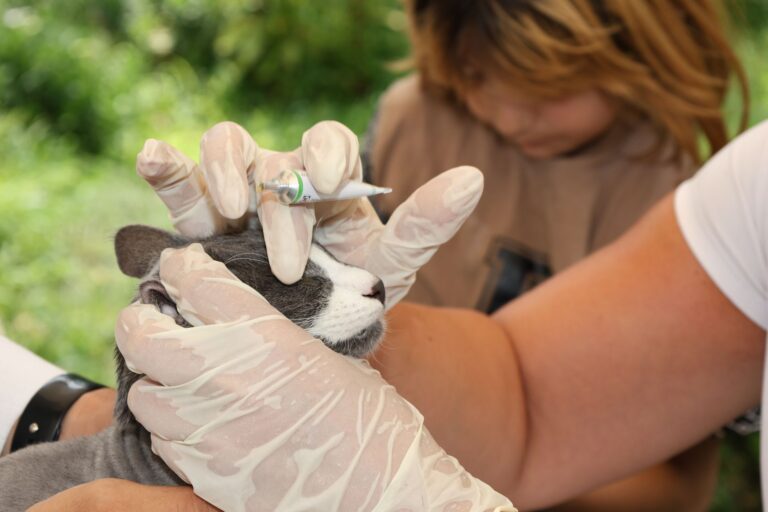
- Seasonal Cluster Posts: Focused blog articles addressing specific long-tail questions (e.g., “How to Safely Remove a Tick from Your Dog’s Eyelid”).
Executing this structure effectively forms the foundation of a modern veterinary content strategy, ensuring search engine crawlers understand the full hierarchy and authority of your domain.
Step 3: Establishing Clinical Review & E-E-A-T Protocols
Google evaluates healthcare and veterinary websites under stringent Experience, Expertise, Authoritativeness, and Trustworthiness (E-E-A-T) standards. Because veterinary content directly impacts animal welfare and financial decisions, search engines categorized medical advice under “Your Money or Your Life” (YMYL) guidelines.
To maintain high trust signals and satisfy Google’s quality evaluator guidelines, your editorial workflow must include formal clinical oversight:
- Veterinary Author Attribution: Every medical article should list a licensed Doctor of Veterinary Medicine (DVM or VMD) or certified credentialed technician as the author or clinical reviewer. Include brief bio cards linking to their professional background.
- Medical Disclaimers: Place explicit educational disclaimers on every article emphasizing that online content does not replace direct professional veterinary diagnosis or triage.
- Reference Medical Standards: When discussing disease transmission, protocols, or epidemiology, cite established veterinary bodies such as the American Veterinary Medical Association (AVMA) or the American Animal Hospital Association (AAHA).
Step 4: Integrating Internal Links and Conversion Pathways
Driving traffic to a blog post provides little value if readers leave without taking action. Every informational post scheduled on your calendar must serve as a gateway to your clinic’s primary service offerings and appointment request systems.
Ensure every published article contains contextual callouts linking to your appointment booking software, location contact pages, or specialized care services. If your practice website suffers from poor structural hierarchy or hidden technical barriers that prevent indexation, request a free veterinary SEO audit to identify structural gaps before launching your editorial schedule.
If you prefer to have expert strategists manage your keyword research, content drafting, and technical optimization, you can contact our strategist team at IKE SEO to build a customized, high-converting organic search roadmap for your clinic.
A related opportunity is Veterinary Local SEO, which can support the parts of the search journey that sit alongside this article’s main focus.
Veterinary SEO Checklist
Use these practical checks when reviewing your practice's search presence.
Key Takeaways
Related Veterinary SEO Articles
Continue exploring practical veterinary SEO strategy and search insights.


Research Sources
- Google Search Central Documentation — Verified Google recommendations on site architecture, indexing timelines, and search intent alignment.
- Search Engine Journal Content Strategy Guide — Referenced industry standards for topical authority, keyword clustering, and editorial workflow design.
- American Veterinary Medical Association (AVMA) Pet Health Resources — Provided clinical baseline for seasonal pet health awareness dates and medical safety guidelines.
- Google Business Profile Help — Informed integration strategy between local search presence, clinical landing pages, and educational content.
Ready to transform your practice's organic traffic? Contact IKE SEO today to build a custom, high-converting veterinary content calendar.
We can connect content, local visibility, technical foundations, and service relevance into a practical veterinary SEO roadmap.