
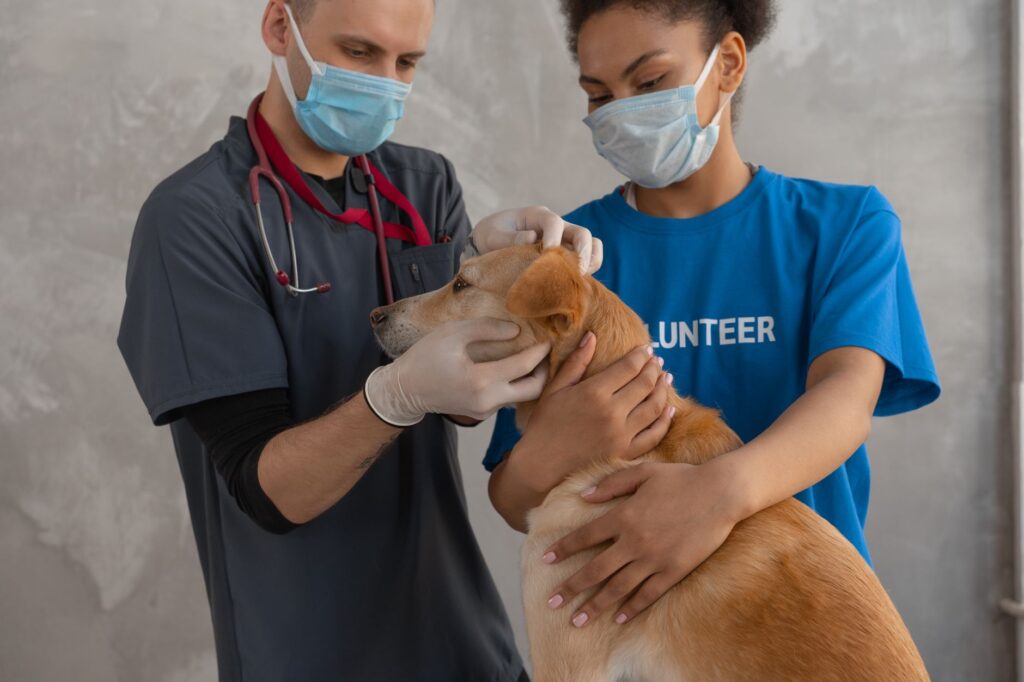
Decoding Local Search Intent for Animal Hospitals
Search behavior in the veterinary sector is heavily localized and time-sensitive. Pet parents rarely travel across entire metropolitan areas for routine checkups, and emergency situations demand instant geographical relevance. When evaluating how search engines populate the local map pack, algorithms weigh three primary pillars: relevance, distance, and prominence. While you cannot change your physical clinic address to manipulate distance, you can dramatically influence both relevance and prominence through targeted optimizations.
Understanding these dynamics is central to any comprehensive veterinary SEO campaign. If your practice website and business listings fail to clearly communicate your exact medical offerings, geographical service areas, and operational authority, Google will bypass your clinic in favor of competitors who make those signals unmistakably clear.
Optimizing Your Google Business Profile for Maximum Visibility
Your Google Business Profile serves as the literal engine of your map pack performance. Claiming the profile is merely the starting line; active, precise optimization dictates your ranking potential. Start by selecting your primary category with absolute precision. For most general practices, “Veterinarian” or “Animal Hospital” is appropriate, while emergency clinics should select “Emergency Veterinarian Service.” Incorporating accurate secondary categories—such as “Veterinary Surgeon” or “Pet Groomer” if applicable—helps capture broader query variations without diluting core relevance.
Business naming conventions also warrant careful attention. Never stuff keywords into your business name unless those exact words appear on your official state registration and signage. Violating Google’s guidelines regarding business names frequently triggers automated listing suspensions. Instead, focus your optimization efforts on writing a compelling business description, uploading high-resolution geotagged photos of your facility and veterinary team, and maintaining flawless NAP (Name, Address, Phone Number) consistency across the web.
The Role of Proximity, Citations, and Local Link Equity
While proximity to the searcher remains a fixed constraint, you can expand your effective service footprint by building robust local relevance. Local citations—mentions of your practice name, address, and phone number on authoritative directories like Yelp, YellowPages, and industry-specific pet care directories—reinforce your physical legitimacy to search engines. However, inconsistent data across these platforms creates confusion and degrades local ranking strength.
To support your local listings, our team often implements dedicated strategies outlined in our specialized veterinary local SEO services, ensuring that your website architecture actively passes local authority to your map listing. Furthermore, earning local inbound links from community organizations, pet rescue groups, and local news outlets signals to search engines that your clinic is a trusted pillar of the local business community.
Managing Reviews and Client Engagement
Review volume, velocity, sentiment, and keyword richness heavily influence map pack positioning. Prospective pet owners heavily weigh the experiences of other pet parents when selecting a care provider. Implementing a systematic, ethical post-visit review generation process ensures a steady stream of fresh feedback. Furthermore, responding to all reviews—both positive and negative—demonstrates active management and customer service commitment. When clients mention specific services in their reviews (such as “puppy vaccinations” or “dental surgery”), it introduces relevant keywords naturally into your profile data.
Technical Foundations and Structured Data for Local Dominance
Your website and your map listing do not operate in silos; they exist in a symbiotic relationship. Search crawlers examine your website to verify the legitimacy and expertise of the entity claiming the Google Business Profile. Implementing LocalBusiness schema markup on your website explicitly communicates your operating hours, address, geo-coordinates, and accepted payment methods in a language search engines parse effortlessly.
For practices looking to refine their broader digital framework, our SEO audit service identifies technical roadblocks, indexing errors, and missed local optimization opportunities that may be suppressing your map pack rankings. Pairing a technically sound website with an optimized map profile creates an unstoppable local search presence that consistently captures high-intent traffic.
Next Steps for Your Practice
Improving your position in the local map pack requires ongoing dedication, continuous review monitoring, and technical vigilance. If your animal hospital is ready to attract more local pet parents and outrank regional competitors, we invite you to contact our team to discuss a customized growth strategy for your practice.
Explore our homepage to learn more about how our specialized digital marketing methodologies drive measurable results for veterinary practices across North America.
Constructing Localized Website Content and Location Pages
To succeed with veterinary map pack SEO, your website must be structured to support local geographic queries. Search engine algorithms scan your website’s main landing pages to find contextual proof that you actually operate within the searcher’s vicinity. For practices located in multi-neighborhood cities or those serving surrounding suburbs, creating dedicated, highly-localized service-area pages is a critical tactic. These pages should not be thin, carbon-copy duplicates of each other; rather, they must feature unique content that discusses specific community landmarks, nearby pet parks, local leash laws, and regional pet health concerns.
Furthermore, embedding an interactive Google Map pointing directly to your verified business listing on your contact page helps solidify the relationship between your website and your Google Business Profile. Ensure your localized content naturally includes geo-targeted long-tail keywords, such as “emergency vet in [Neighborhood Name]” or “[City Name] animal clinic.” These local keywords act as signals that help Google match your business with the user’s explicit or implicit search intent, effectively expanding your map pack ranking radius beyond your immediate street block.
Leveraging Active Google Business Profile Engagement Features
An optimized profile is never static. To maintain a competitive edge in the local map pack, practices must leverage Google Business Profile’s active engagement features. One of the most underutilized tools is the Google Posts feature. Regularly publishing updates, clinic announcements, seasonal pet safety tips, and vaccination reminders signals to the algorithm that your business is highly active. These posts appear directly on your listing, increasing click-through rates and overall engagement, both of which serve as positive search signals.
Additionally, the Questions and Answers (Q&A) section should be proactively managed. Do not wait for users to ask questions; instead, prepopulate this section with frequently asked questions regarding your emergency protocols, appointment policies, billing options, and parking details. Keep your services tab meticulously updated with detailed descriptions of every treatment, diagnostic test, and wellness plan you offer. When users search for specific procedures, Google often displays “justification” badges on the map pack, highlighting that your business offers the exact service searched for based on your profile’s listed services. Keeping these features fully populated feeds search engine algorithms with critical contextual metadata while converting passive searchers into active, booked appointments.
Veterinary SEO Checklist
Use these practical checks when reviewing your practice's search presence.
Key Takeaways
Related Veterinary SEO Articles
Continue exploring practical veterinary SEO strategy and search insights.
 VETERINARY SEO
veterinary service content: How to Write Better Content for Veterinary Service Pages
Read Article → VETERINARY SEO
Choosing the Right Veterinary GBP Categories for Local Visibility
Read Article → VETERINARY SEO
veterinary keyword research: How to Do Keyword Research for a Veterinary Practice
Read Article →Research Sources
- Google Business Profile Help — Used to verify official guidelines regarding business naming conventions, category selections, and listing verification protocols.
- Search Engine Journal — Consulted for specialist insights on local search ranking factors, schema markup implementation, and algorithm updates.
- Schema.org LocalBusiness Documentation — Reference for structuring localized metadata to improve search engine entity verification.
Ready to dominate local search? Contact IKE SEO today for a custom veterinary growth strategy.
We can connect content, local visibility, technical foundations, and service relevance into a practical veterinary SEO roadmap.