
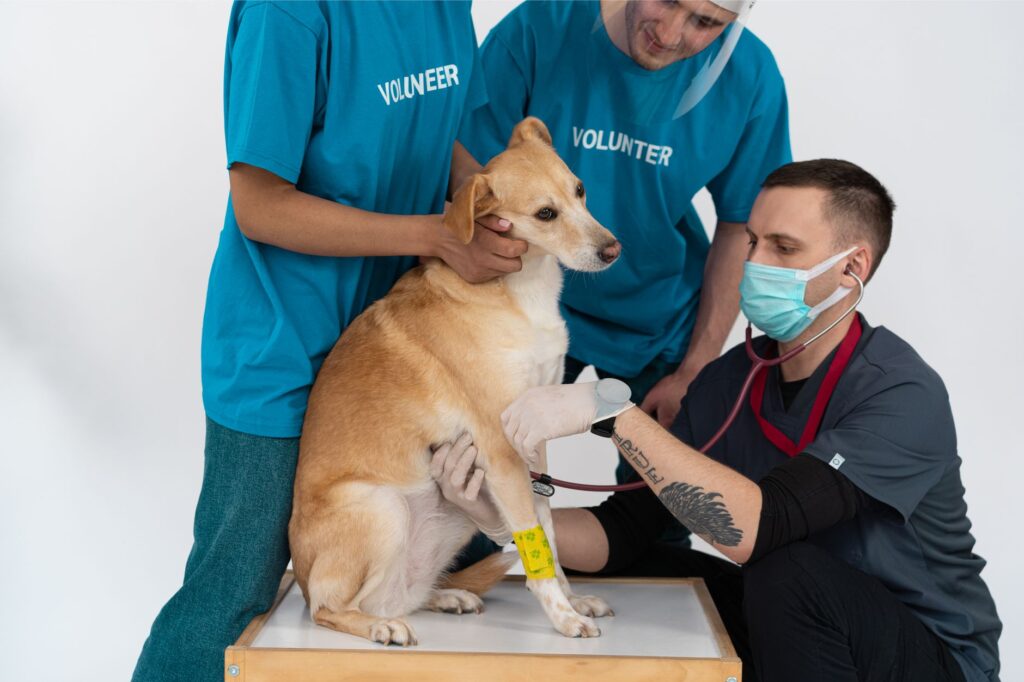
Decoding High-Intent Pet Owner Search Behavior
Search intent behind geo-modified veterinary queries has evolved significantly. When someone searches for veterinary care nearby, they are typically exhibiting transactional or emergency intent. They need an appointment today or immediate triage. At IKE SEO, we analyze how pet owners transition from mobile discovery to clicking a map listing or booking platform. Understanding this behavior dictates how we structure our specialized veterinary SEO campaigns.
Search engines like Google rely heavily on three core pillars for local rankings: proximity, relevance, and prominence. While you cannot change the physical location of your animal hospital, you can dramatically influence how search engines perceive your relevance and prominence within your specific service radius.
Optimizing Your Google Business Profile for Proximity and Relevance
Your Google Business Profile (GBP) serves as the digital front door to your practice and anchors your local map pack visibility. Effective management of this asset is the single most impactful lever for capturing local search traffic. Beyond basic setup, our team emphasizes comprehensive profile optimization through strategic category selection and continuous activity.
Selecting the Right Primary and Secondary Categories
Choosing your primary category sets the foundation for your map rankings. For general practice hospitals, “Veterinarian” or “Veterinary Hospital” is standard. However, if you operate an emergency care facility or specialty hospital, your category architecture must reflect that precise offering. Secondary categories—such as “Emergency Veterinarian,” “Animal Hospital,” or “Pet Groomer” (if applicable)—help capture broader query variations without diluting your core ranking signal.
Leveraging Attributes and Services
Google frequently updates attributes available to healthcare and veterinary businesses. Ensuring your profile clearly indicates whether you offer wheelchair accessibility, emergency services, or online appointments directly impacts conversion rates once a user finds your listing. Pair these attributes with a robust, keyword-informed services list that describes your preventative care, diagnostics, and surgical offerings.
Building Localized Content and Topical Authority
Relying solely on a map listing is rarely enough in competitive metro markets across the US and Canada. To truly dominate local search results, your website must reinforce your geographic and clinical authority. This is where a targeted veterinary content strategy becomes invaluable, bridging the gap between general pet health questions and your physical hospital.
Instead of creating thin, cookie-cutter city pages that list zip codes, successful practices publish genuinely helpful resources addressing local pet care nuances—such as regional parasite risks, municipal leash laws, or seasonal hazards common to your specific region. These signals tell search engines that your practice is deeply integrated into the community it serves.
Technical Foundations and Structured Data
Behind every high-performing local search campaign lies a pristine technical foundation. Search engine crawlers must effortlessly parse your site architecture and verify your physical existence. Implementing proper LocalBusiness Schema markup allows search engines to instantly ingest your exact address, operating hours, telephone number, and geographic coordinates.
Furthermore, ensuring your website delivers exceptional mobile performance is non-negotiable. Most near-me searches occur on mobile devices while pet owners are on the move or handling an urgent situation. A slow-loading site or broken mobile menu will instantly drive a high-intent user to a competing clinic.
Managing Reviews, Reputation, and Citations
Prominence in local search is heavily influenced by off-page signals, particularly online reviews and citation consistency. Search engines evaluate the volume, velocity, and sentiment of reviews across Google, Yelp, and industry-specific directories.
Encouraging satisfied clients to leave detailed reviews mentioning specific services—such as routine checkups or emergency surgery—naturally weaves relevant keywords into your public profile review snippets. Concurrently, auditing your citations across healthcare directories ensures that your business name, address, and phone number match your website and GBP data down to the exact suite number.
To evaluate your current standing in local search and uncover hidden technical roadblocks, request a comprehensive SEO audit from our strategy team.
Partnering with Experts Who Understand Veterinary Practices
Navigating the nuances of local search algorithms requires constant vigilance and adaptation to algorithm updates. Whether you manage a single-doctor independent clinic or a multi-location hospital network, executing a cohesive strategy takes dedicated time and specialized expertise.
Ready to elevate your digital presence and welcome more local pet patients through your doors? Contact our team today to discuss a tailored growth plan for your animal hospital.
Measuring Success Beyond Vanity Rankings
Tracking the return on investment for veterinary near me SEO requires looking past simple keyword rankings to measure true practice growth. While monitoring your position in the local map pack provides a helpful snapshot of visibility, top-tier rankings mean little if they do not translate into scheduled appointments, new patient registrations, and emergency triage calls.
Modern analytics implementation focuses heavily on conversion tracking. By configuring call tracking numbers specific to your Google Business Profile, monitoring click-to-call actions on mobile devices, and tracking form submissions on your booking pages, you can directly attribute incoming revenue to your organic search efforts. Furthermore, analyzing user behavior metrics—such as mobile bounce rates and page dwell time—reveals whether your localized landing pages effectively address the immediate anxieties of pet owners in crisis.
Navigating Local Algorithm Shifts and Review Filtering
Search engines continually refine their local algorithms to penalize spammy optimization tactics and elevate genuinely trustworthy local businesses. A common hurdle practice managers face is review filtering, where legitimate client reviews mysteriously disappear from public view. This typically happens when reviews originate from the hospital’s internal local network connection or when an unusual velocity of feedback triggers automated spam filters.
To maintain a steady, compliant accumulation of positive sentiment, encourage staff to request reviews naturally via post-visit automated email or SMS follow-ups sent while the client is off-site. Additionally, responding to every review—both positive and constructive—signals active profile management to search engine crawlers and demonstrates community engagement to prospective clients evaluating your clinic against competitors.
Sustaining Long-Term Dominance in Competitive Markets
Securing the top spot for geo-targeted veterinary queries is not a one-time project; it requires ongoing maintenance as competitors invest in their own digital presence and search engines update their ranking criteria. Routine Google Business Profile hygiene, such as regularly posting timely updates about holiday hours, updating staff credentials, and publishing fresh photos of your facility and veterinary team, keeps your profile active and engaging.
As voice search and AI-driven map interfaces become more prevalent, structuring your website’s content to directly answer conversational local queries ensures your hospital remains the primary recommendation for pet owners seeking immediate, high-quality care in your neighborhood.
A related opportunity is Veterinary Local SEO, which can support the parts of the search journey that sit alongside this article’s main focus.
Veterinary SEO Checklist
Use these practical checks when reviewing your practice's search presence.
Key Takeaways
Related Veterinary SEO Articles
Continue exploring practical veterinary SEO strategy and search insights.
 VETERINARY SEO
veterinary service content: How to Write Better Content for Veterinary Service Pages
Read Article → VETERINARY SEO
Choosing the Right Veterinary GBP Categories for Local Visibility
Read Article → VETERINARY SEO
veterinary keyword research: How to Do Keyword Research for a Veterinary Practice
Read Article →Research Sources
- Google Business Profile Help — Verified guidelines on local ranking factors, category selection, and profile verification standards.
- Schema.org LocalBusiness Documentation — Reference for implementing structured data markup to communicate veterinary practice details to search engines.
- Search Engine Journal Local SEO Guide — Industry insights on proximity factors, citation management, and local search algorithm updates.
Ready to dominate local search? Contact us today to schedule your custom veterinary SEO strategy session.
We can connect content, local visibility, technical foundations, and service relevance into a practical veterinary SEO roadmap.