
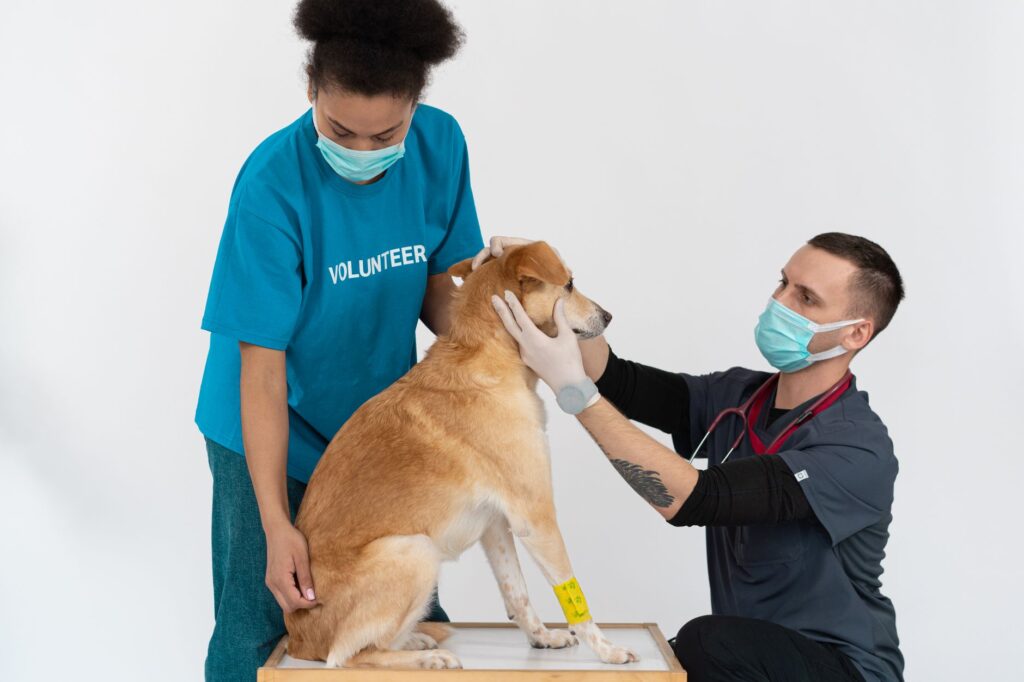
Why Most Veterinary Blogs Fail to Rank
Many veterinary practices launch a blog with good intentions, only to abandon it after a few months because it generates zero traffic or phone calls. The root cause is almost always a misalignment between what the clinic writes and what potential clients search for. Writing a three-part history of feline internal medicine might showcase clinical depth, but if local pet owners are searching for emergency cat care near me or transparent puppy vaccination costs, that academic article will sit unread.
To build a high-performing engine through targeted veterinary content strategy, every article must serve a dual purpose: answering a genuine client question and signaling topical relevance to search engine crawlers. Modern search engines evaluate whether your website covers a subject with sufficient depth and localized context. If your practice only publishes thin, 300-word summaries scraped from generic pet care directories, search algorithms will bypass your site in favor of more authoritative, comprehensive resources.
Aligning Veterinary Content Ideas with Local Search Intent
Search behavior in the veterinary sector is heavily localized and intent-driven. A pet owner experiencing a sudden midnight crisis has a very different search intent than someone researching long-term nutritional needs for a senior golden retriever. Developing a robust editorial calendar requires mapping your topics to these distinct stages of the client journey.
Informational Intent and Regional Health Risks
Pet owners frequently search for symptoms, seasonal hazards, and preventive care guidelines. This is where you can establish localized authority by addressing regional realities. For instance, if your practice operates in the Pacific Northwest, content detailing local parasite prevention during the damp spring months addresses an immediate, real-world concern for pet owners in your exact geographic footprint.
When you integrate insights from our specialized veterinary SEO framework, you learn how to weave local geographic markers naturally into your educational pieces without resorting to awkward keyword stuffing. This reassures both readers and search engines that your hospital is an active, community-rooted practice.
Commercial and Transactional Intent
Beyond general health advice, pet owners search for specific services, diagnostic capabilities, and pricing transparency. Content that outlines what to expect during a first puppy wellness exam, or explains the nuances of geriatric blood panels, directly supports your commercial service pages. By providing clear, educational overviews of your offerings, you remove friction for prospective clients who are comparing multiple clinics in their neighborhood.
Technical Foundations and Content Structure
Creating brilliant content is only half the battle. If search engines cannot efficiently crawl, index, and understand your pages, your editorial efforts will stall. Integrating solid technical SEO for veterinarians ensures that your site architecture supports your new articles with clean URL structures, fast load times, and proper schema markup.
Furthermore, as search behavior evolves with generative AI and conversational queries, your content must be structured to answer direct questions concisely. Utilizing clear headings, bulleted lists, and structured summaries helps search engines pull your practice content into featured snippets and AI-driven search results, expanding your visibility beyond traditional blue links.
Measuring Content Performance and Iterating
SEO is not a one-time project; it is an ongoing process of refinement. Reviewing your analytics on a monthly basis allows you to identify which content ideas are driving actual organic impressions and conversions. If a particular post on puppy socialization is outperforming everything else on your site, use that data to expand into related subtopics, or ensure that the post seamlessly links back to your core practice services via a professional SEO audit and internal linking review.
If you are ready to evaluate your current digital footprint and uncover untapped opportunities for your hospital, we invite you to contact our team to discuss a customized growth roadmap for your practice.
Expanding Your Editorial Calendar: Practical Veterinary Content Ideas
Translating SEO theory into a thriving blog requires a steady stream of specific veterinary content ideas that resonate with local pet owners while satisfying search engine algorithms. Instead of guessing what to write, focus on building content clusters around real clinical encounters, client education milestones, and regional health patterns. When you diversify your topics across routine wellness, specialized care, and administrative transparency, you create a comprehensive digital resource that attracts diverse segments of your local pet-owning community.
One highly effective approach is documenting and answering the most frequent questions your front desk staff and veterinary technicians handle on a daily basis. If your team constantly explains why fasting is necessary before routine blood work, or what to expect during a pet dental cleaning under anesthesia, you already have the outline for a high-performing blog post. These operational FAQs naturally incorporate the exact phrasing and conversational queries that pet owners type into their mobile devices when looking for reliable guidance.
Chronic Disease Management and Senior Pet Care
As the domestic pet population ages, an increasing number of pet owners search for long-term management strategies for conditions like canine osteoarthritis, feline chronic kidney disease, and canine cognitive dysfunction. These topics represent exceptional opportunities for deep-dive educational articles. Unlike quick emergency queries, owners researching chronic illnesses are highly invested, often reading multiple articles before deciding which veterinary clinic can best manage their pet’s ongoing comfort.
When writing about chronic conditions, avoid overly dense academic jargon while maintaining clinical accuracy. Break down complex diagnostic procedures, such as joint fluid analysis or blood pressure monitoring, into digestible steps. Explain how home care routines complement in-clinic treatments, and provide clear guidance on quality-of-life assessments. This transparent, compassionate style builds profound trust long before the client ever steps foot through your clinic doors.
Seasonal and Regional Wellness Campaigns
Aligning your publishing schedule with the changing calendar is a proven way to capture timely organic search traffic. Different seasons bring distinct veterinary challenges that prompt localized searches. For instance, early summer content might focus on heatstroke prevention, water safety for dogs, and seasonal allergies, while autumn articles can address rodenticide risks as mice seek shelter, or holiday hazards involving toxic plants and table scraps.
By proactively publishing these seasonal guides four to six weeks before a specific risk peaks, you give search engines ample time to index and rank your pages before local pet owners begin actively searching for answers. Incorporating hyper-local details—such as native plant species in your state or common regional ticks—further reinforces your authority as a hometown practice deeply attuned to local environmental hazards.
Demystifying Veterinary Costs and Clinic Procedures
Price transparency is one of the most significant drivers of search traffic in the modern veterinary landscape. Pet owners frequently search for terms related to spay and neuter pricing, emergency exam fees, and the cost of specialized diagnostics. Rather than hiding pricing structures, progressive clinics use their blogs to provide context around veterinary fees, explaining the value, safety measures, and advanced technology built into their services.
For example, an article detailing why dental cleanings require general anesthesia—complete with a transparent breakdown of pre-anesthetic blood work, multi-parameter monitoring, and dedicated veterinary technician support—educates clients while justifying the investment. This thoughtful approach filters out price-sensitive friction and attracts clients who value comprehensive, high-quality medical care for their companion animals.
Sustaining Long-Term Organic Growth Through Content Governance
Publishing your initial batch of veterinary blog posts is merely the foundation. To maintain search visibility over years of algorithm updates, your practice needs a sustainable governance workflow. Assign a clinical team member or a dedicated practice manager to review and update older content annually. Ensuring that vaccination guidelines, parasite protocols, and contact information remain accurate prevents outdated medical advice from lingering on your site and preserves your domain authority over the long term.
A related opportunity is Veterinary Local SEO, which can support the parts of the search journey that sit alongside this article’s main focus.
Veterinary SEO Checklist
Use these practical checks when reviewing your practice's search presence.
Key Takeaways
Related Veterinary SEO Articles
Continue exploring practical veterinary SEO strategy and search insights.
 VETERINARY SEO
veterinary service content: How to Write Better Content for Veterinary Service Pages
Read Article → VETERINARY SEO
Choosing the Right Veterinary GBP Categories for Local Visibility
Read Article → VETERINARY SEO
veterinary keyword research: How to Do Keyword Research for a Veterinary Practice
Read Article →Research Sources
- Google Search Central Documentation — Ensures adherence to official guidelines regarding content quality, crawling, indexing, and search engine best practices.
- Search Engine Journal — Provides specialist industry insights on content strategy, internal linking, topical authority, and evolving search algorithms.
- Schema.org Guidelines — Informs technical structuring for veterinary practices to enhance search engine comprehension.
Schedule a Strategy Consultation with IKE SEO
We can connect content, local visibility, technical foundations, and service relevance into a practical veterinary SEO roadmap.